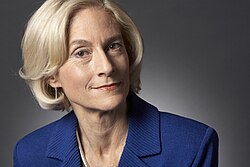
 |
| Martha Nussbaum |
In class we discussed what philosophy is and why we should bother with it. Now consider the following materials.
First, listen carefully to the following brief audio clip where Martha Nussbaum (Ernst Freund Distinguished Service Professor of Law, Ethics, Human Rights, and Ancient Philosophy at the University of Chicago) is interviewed by Nigel Warburton on the value of philosophy to democracy. Here's the brief intro to the audio file:
"Why study Humanities subjects? Isn't studying Philosophy, for example, just a luxury of no obvious value to a democracy? Martha Nussbaum thinks not. In her recent book, Not For Profit
 , she has made a passionate defence of the Humanities. In this episode of the Philosophy Bites podcast she discusses these issues with Nigel Warburton."
(After clicking on the link, click on "Listen to Martha...." just above the pictures of the books.)
http://philosophybites.com/2010/12/martha-nussbaum-on-the-value-of-the-humanities.html
There is plenty here in this clip to provoke discussion. What, in your view, were some of the main claims regarding the nature and role of philosophy in a democracy? What is it that philosophy in particular contributes to democracy? What, if any, are the implications of her views for your own practices and pursuits? Might her views have any implications for UF?
Second, consider this case for studying philosophy that comes from an academic dean and professor at Harvard Medical School. What do you make of his defense?
Third, the study of philosophy can do plenty for you in a very immediate and practical sense. Click here and here to see how (notice what comes below philosophy in the latter report). What do you make of what you read here? Why not major/double major or minor in philosophy? After all, in April of 2013, the Association of American Colleges and Universities released the results of a national survey of business and nonprofit leaders. Here’s the title of that press release: “Employers More Interested in Critical Thinking and Problem Solving Than College Major”. The report finds that 93% of employers surveyed say that “a demonstrated capacity to think critically, communicate clearly, and solve complex problems is more important than [a candidate’s] major.”That's precisely what a philosophy major is known for: cultivating critical thinking, problem-solving abilities, and effective communication. Think about it.
Please engage with one another. Take advantage of this opportunity to think together in community. Don't be satisfied with superficial responses to difficult matters. Don't be content with superficial thinking here. Challenge yourself and others. Press hard. And, as always, be gracious and charitable.

For the audio with Martha Nussbaum, I like the point that Martha made early on regarding that using philosophy can help society think deeply about the choices they make before they make them. I think that using philosophy for issues such as abortion, the death penalty, or going to war, can help society come to a better conclusion versus quickly jumping on the band wagon and following the choices and beliefs that everyone else is following. I also like the point that was made about teaching philosophy to primary aged school children. I think philosophy should be taught from a young age so that children can learn to form their own opinions and beliefs, for example how Martha said that her father was a racists from the deep south but she did not believe in the same thoughts that her father did and so she was able to argue with herself over believing in racism or not.
ReplyDeleteI find no problem with David Silbersweig's course to get to where he is, actually I think it is incredibly smart and a path that more people should attempt to take. The brain and illness associated with the brain are very complex and difficult to deal with, so the use of philosophy can help Silbersweig to argue cases and get to the bottom of tricky cases a lot more easily and with more passion than other doctors may. I think philosophy is something that doctors use every day, whether they realize it or not. Many people would give up if they couldn't find the answer right away, but when a patient has something that is undiagnosable, doctors will continue to ask themselves why until they solve the problem. I think if doctors took more than one or two philosophy classes in college, then they would be more open to deeper thinking. However, to play devil's advocate, should doctors begin to fill their semesters with philosophy, many would argue that future doctors would either have to spend a longer time in college or people would think that they are spending more time on thinking and not enough time on learning about the body.
Personally, I struggle to deal with philosophy and I wish I didn't. I think that if philosophy was implemented in schools while the kids are at a young age, they would benefit a lot more from it than taking one or two classes in college. Once in college, most people have already formed their opinions and beliefs whereas if they had a bit more philosophy in their lives, then they could use that to form their opinions at they grow up.
-- Rachel F 1:00
Martha Nussbaum brings up some very good points on why Philosophy is important. I like when she brought up the topic of not giving thought to the long term benefits of philosophy. Sure philosophy may not seem to help find an immediate answer. However by questioning topics like the death penalty, over time many become more educated and rational on the topic. If we simply jump right into a decision on a topic, mistakes are bound to happen. That's why it is better to take a step back and examine all options, so that there are less chances of consequences.
ReplyDeleteDavid Silbersweig is admirable for standing up and getting his degree in Philosophy. It has given him the ability to think critically. Moreover, be understanding of complex issues not only in the medical field, but also in our society. His story also shows that philosophy is involved in every aspects of our lives. No matter what you get your degree in, there is philosophy involved in what you do.
I think having philosophy as part of my degree would be very beneficial. It opens your mind to having opinions on very complicated issues that will be in my field and many other fields. It also benefits in understanding different views on these complex topics. I don't necessarily agree with the idea of teaching philosophy to young children though. They won't have a good understanding of what it is. I think it would be better to teach philosophy in middle school or early high school, when teenagers are starting to form their own opinions and are thinking about being on their own. They have had time to mature and develop.
-K.P.
I think Ms. Nussbaum provides a strong case for the support of philosophy in a democracy. I believe the most important thing she mentioned is the fact that children need to learn to think for themselves. This is always something I have believed as well. I do not think it is right to indoctrinate children into religious or political beliefs, much like many children are today. Instead, children should be encouraged to think and decide for themselves what they believe. Another thing Ms. Nussbaum mentioned is the fact that people need to think for themselves rather than follow what the authority figures believe to be true. This is vital in a democracy. If the citizens aren’t thinking for themselves then why bother with a democracy in the first place? Citizens should be questioning and criticizing their leaders to encourage growth and prosperity. Also, she mentions the fact that the United States' current party system is more like a competition than anything. I too believe that rather than having a competition between the parties we need to think more closely about the people individually to decide who the best leader would be.
ReplyDeleteDr. David Silbersweig provides a great defense for the study of the Liberal Arts, but I believe his greatest argument is simply his success. The fact that this man can be so extremely successful in the field of neuroscience with a degree in Philosophy should be enough evidence to support the usefulness of such a field of study. Obviously he may be an outlier, but not many students who study Philosophy aspire to practice in the medical field, so there isn’t enough conclusive evidence. Doctors and physicians should be able to think critically about their patients and their patients problems in order to solve/cure them in the most efficient and safe manner. The fact that Philosophy develops critical thinking abilities shows that Philosophy and Medicine go hand in hand. There are also many ethical questions in the medical field, and Philosophy can help to answer those questions.
I am well aware of the benefits of Philosophy and would love to have Philosophy as part of my degree, but there are other fields that I believe would help me excel further in my field. For example, Computer Science and Math pair very well together. Although I am not formally studying Philosophy (other than this class) I do enjoy studying it a bit on my own. I realize the importance of being able to think for myself and to think critically which is why I choose to do so. Just because I won’t have a formal Philosophy education, doesn’t mean that I (or anyone else for that matter) should miss out on the benefits that studying Philosophy can produce.
-Cody F. (2:00)
Martha Nussabaum has a very good way of thinking about philosophy in regards to democracy. Democracy is something that is very important in society, and as she said, we need to be able to take on a Socratic way of thinking when it comes to democracy, otherwise anyone can just come along and try to make statements about philosophy, and some of these statements could be false. Philosophy challenges people’s words and theories about things by giving people the argumentative skills to evaluate different areas of life and how they interrelate. It also makes sense how philosophy connects with history, different cultures and the imagination. If we are not able to examine the past, see it from different angles in our minds eye, then how can we make judgements and conclusions about the actions of the past and the future. I feel that these are key elements to doing philosophy and being able to decide what is ‘right’ and ‘wrong’ in consideration of philosophy and democracy.
ReplyDeleteI was also impressed about what David Silbersweig had to say about his studies and their results. Most people do not think that philosophy can do much or that it can make money. David Silberswig shows that not only can philosophy help you make money; it can also help you within your own profession. While philosophy is powerful by itself, it is even more powerful when you mix it with a vocation that you are passionate about. Mixing it with other thoughts and theories, especially in realms such as medicine can help to make moral decisions and come up with innovative ideas. Most fields are ever changing and people need to be able to analyze how it is changing to see if it is going in the ‘right’ direction or to think outside of the box to help it change for the ‘better’ even more.
I also agree with Rachel F. and K.P. that we should start teaching children at a younger age to be able to do philosophy. Even though, starting at too early an age when a child’s mind is still impressionable (when they still easily believe in Santa Clause and the Tooth Fairy) would not be helpful, it can still be very helpful once they get out of their ‘gullible or trusting’ phase. Most people learn that asking questions and thinking critically is not useful or is something that is not good. Teaching children philosophy at a young age, would help get rid of these ideas, and we would have more people thinking about issues and we would be able to come up with more and ‘better’ answers over time easier. I also think that this is important, because most children grow up listening and following what their parents, and what other adults say. So learning philosophy would help to protect them against the stigmatic thoughts of the people that are raising them. Philosophy is also something that should continue from childhood into college as it can help in careers too. Studies have shown that critical thinking is something that is valued in professions and is something that companies are looking for. Philosophy helps to give you the skills of critical thinking so that you can excel in your vocation. Philosophy will help me to think critically in my profession and is something that more college students should consider when planning for classes.
Hannah K. (1:00)
According to Martha Nussbaum, Philosophy in a democracy heavily refers to the Socratic tradition. Socrates noticed that people were following decisions made for them, and they not thinking for themselves. He wanted them to stop, and he had ideas to put in place. He wanted people to stop and think about what they stand for, what they believe in, and who they really are as a person. I think this is incredibly important in any society, as I believe that we are meant to be individuals and not one monotonous group. Nussbaum said that to live a life like this we need to develop the skill of argumentation and know how to live a life or self examination. Philosophy will provide these skills. Philosophy contributes the concept of critical thinking and analyzing one's ideas and reasoning to a democracy. If one did not think critically about what he or she is told, then it would not be much of a democracy as no one person would be thinking for himself.
ReplyDeleteI actually agree with David Silberswig's defense. I think there are too many people with science based degrees that are narrow minded about their fields and the mind, just as I think there are many liberal arts majors that think science is wrong for "believing one thing" when there are many ways to approach many different concepts. I like the idea of combining them to get a full understanding of both fields and taking an interest in more than specifically desired field of study.
More than anything else, I realized that Philosophy really is found in all areas of life and that is it extremely beneficial. Reading the materials for this assignment has pushed me to consider taking more philosophy-based classes, and it has encouraged me to think more critically about every aspect of my life. While my major definitely has my heart, I would consider a double major or minor in philosophy.
Destiny S (2:00)
I agree with Destiny on the interview with Martha. Martha was saying that philosophy relates to the Socratic tradition and needs to be addressed in a personal reflection. She was asked if humanities mattered and she does, but they are being cut back because education is now for building short term profits, not a student's mind. Students should be asking questions like "What do I stand for?" and by asking these questions you can be doing philosophy, but you also need the knowledge in philosophy to ask these questions. Martha says we should have knowledge on world history and just complete understanding of life or anything that needs to be understood. We are also supposed to have an imagination because we "can't narrate others, we must critically think." Lastly, Martha says that democracy can not happen when propaganda is involved. We must think for ourselves and push for what we want answered.
ReplyDeleteAs for David, I agree with his steps in life. Since he was pushing for what he wanted, and what he wanted what outside the box. David was studying philosophy and trying to find answers to questions, but was finding a different path in life at the same time. David took an approach to study philosophy and science. He stated that he "needed to study philosophy to study the brain to understand the mind." By saying this David was studying two different majors because to delve into the mind, you must have the brain to function and learn about this mind he is to understand. Learning occurs every day and David is combining the science of studying the brain to philosophy to study the mind. David is proof that philosophy helps develop other professions and you can do many professions by studying philosophy. David says to foster and protect the academic environments and inform policy with science in an increasingly complex world, so combining both studies can help develop each profession.
I think philosophy is under taught about within schools. I knew about philosophy, but I was never taught it. Yes, we are taught to think for ourselves and think critically, but we are not taught everything about philosophy. It should be taught more often because it could broaden the horizons for people who don't know what major they would like to pursue. Yes, my major and my minor are below philosophy on the income chart, but I love what I do and wouldn't change it. Philosophy basis could help change the way I learn and how I look at things within my major, but if everyone studies philosophy we wouldn't have other majors to help balance out the world; everyone would be trying to find answers to questions their entire life.
Catherine K. (2:00)
I agree with Catherine on many of the points she made in her response about both Martha and especially David. From listening to the Martha Nussbaum interview myself, I am now more aware not only of the fact that the humanities are being eliminated from the education program but also why they are being removed. Authoritative figures are not concerned with long term planning or the future of our democracy, but rather short term aspects that usually involve profit gain. The humanities are not something that is going to resolve issues or make money overnight, and that is why people of high profile want them eliminated. It would be a great loss to society if one day we lose our ability to reason with one another, think critically, and form thoughtful arguments to help the world solve/deal with its problems. But, this is the path I see us all headed for if humanities is no longer important to anyone in the future.
ReplyDeleteDavid Silbersweig’s piece dealing with his own life and how he found relation to philosophy was also very eye opening. He describes how knowing how to do philosophy well and work through an argument is the key to being able to take on any profession and reason through material in that specific discipline. He also found connection between studying both psychology and philosophy. I believe that there is quite a large similarity between the sciences and philosophy. Medical doctors would not be hurting themselves at all by taking more philosophy courses throughout their schooling. This heavy knowledge of both philosophy and science would make them more suitable to treat a wider variety of individuals in different ways.
It is very important to study philosophy for another reason as well. It has been found that employers are looking not only for individuals who meet the practical skill set requirements but also for individuals who have a good understanding of philosophy and know how to think through situations. Overall, philosophy and the humanities are important and should continue to be studied.
James D (2:00)
Martha made some statements in the interview that I really agree with. The point she made about children being able to think for themselves really made me think to myself. It seems that in todays age, children are forced to think what their parents think or what individuals of higher power think. This teaching can be good to an extent, but in many cases the teaching can be turned into "brainwashing". Children need to be able to think for themselves before they have beliefs jammed into their head for years upon years. I believe that some type of philosophy should be taught at a young age just to get children to think for themselves. I'm not trying to sound as if the older generations are corrupt and generations to come need to stand up and revolt, but I strongly believe that individuals need to think for themselves. Children are very vulnerable. If they are constantly told how to live their lives while growing up, then they won't truly be living their life. I also like Martha's comment about history. We need to be informed of our history in order to stop making the same mistakes that were made in the past. Philosophy can contribute by raising questions and arguments about our past that can help us make smarter decisions for the present and future.
ReplyDeleteAs for David Silbersweig, I agree with a lot of the things that he had to say. The most that I got out of reading his article is that philosophy can help you in whatever field you want to pursue. Philosophy allows you to acquire critical thinking skills that are beneficial in any profession. David is a perfect example of how philosophy can benefit you in whatever you want to do with your life. I believe that a lot more doctors should study philosophy because Silbersweig made a statement saying ,"Then I took a course, Philosophy in Medicine, and I discovered that a philosophical stance and approach could identify and inform core issues associated with everything from scientific advances to healing and biomedical ethics." I believe that the studying of Philosophy could be very crucial in the medical field. It will give them the ability to think, question, and make arguments that could possibly lead to breakthroughs.
I believe that a major in philosophy would work out best if it was accompanied by another major or minor in a more specific field. EX) Double major in philosophy and PT. Philosophy can give you the tools you need to understand the reasoning behind certain things and it will only allow you to have a better understanding in your profession. An individual would really be able to kill two birds with one stone if they were to add philosophy as a major or minor to go along with their already determined major. I also agree with Catherine in the fact that philosophy is under taught within schools. Before college I really had no ide what philosophy was. I have always heard about it but I was never quite sure what philosophy did. I think that if philosophy were to be taught In middle schools and high schools, then students would have a better idea and more knowledgeable mindset about the important topics taking place in the world today. It doesn't surprise me that employers care more about critical thinking skills than majors because in the real world, a major is no good if you can't do your job well. Individuals need to be able to think on the fly and make the best decisions for themselves and their company. This assignment has allowed me to look at philosophy in depth an realize what it can actually do for an individual.
Sal S (2:00)
Martha Nussbaum brings up several great arguments as to why the humanities, specifically philosophy, need to continually be cultivated in a democratic society. She states that education is too concerned about short-term profit, instead of cultivating self-examination and analyzing their own statements. Martha’s three main points for studying philosophy were supplying knowledge of world history, different religions, and cultivating imaginations. I believe that the knowledge of world history is extremely important, it is often said that history repeats itself. If people are able to critically think about the events that have happened in the past, perhaps tragic events that have happened can be prevented. When addressing religion, Martha stated that everyone should to learn his or her own ignorance. I believe that this is a great statement, especially considering that dogmatism seems to be ever prevalent in today’s society. Finally, what really stood out about Martha’s entire interview was her desire that children should be taught philosophy. I believe, like others that have already commented, that this is essential to the developing democracy. She made a very good point that children must learn to question their own parents’ arguments, because often they may not be correct. I cannot agree more with this statement, how are we to improve a dogmatic society if children are not encouraged to question their parents and develop their own opinions?
ReplyDeleteDavid Silbersweig proves that Philosophy can be applied to many different fields outside of the humanities. I admire the fact that he uses his degree in philosophy to try and understand the workings of how the mind and brain are connected, and how those workings affect mental illnesses. Finally, I believe that in showing that philosophy can be applied to the sciences, he can encourage not only aspiring doctors, but people of all fields, to take a more philosophical to their careers.
When it comes to the last two articles, I believe that they support David Silbersweig in that philosophy can benefit just about anyone. As an aspiring veterinarian, there are many issues that require the critical thinking that philosophy encourages. While taking up a minor would not allow me to graduate in time, I am thankful that I am taking this course so that I can begin to cultivate philosophy in my own life.
~Alexis L. (1:00)
Martha Nussbaum defends the humanities in her interview against Warburton's imposing questions. Martha brings up three keys that Philosophy enables us as humans to do. Critical thinking of world history, religion, and imagination to evaluate other people's perspectives. I agree with her that it's crucial to think critically and learn about the past to further our understanding as individuals. Socrates encouraged people to think for themselves. He was of course considered a bother to society, but his ideas asked us to think about questions of right and wrong, what is justice?, and does god exist?. These questions allow us to develop and have our own beliefs. It also aids democracy. Martha explains that when looking at political campaigns that people should not just favor one side or argument, but think critically about what the best decision is for everyone in the country.
ReplyDeleteAs far as the last few articles they all address the fact that Philosophy can open up many paths as far as careers. Philosophy can lead to studying the mind, like it did for Silbersweig. Philosophy can also lead to the study of medicine and the sciences. As far as considering a minor or major in Philosophy, like Alexis I don't have enough time to graduate on time if I take a minor. I am unsure about my career path in the future, but I am always critically thinking about what would be the best option for me in the future. This course has made me think about the value of addressing ethical and practical questions.
--Ryan W. (2:00)
While following suit with the majority of the recent posts, not for the sake of joining the majority more for the reason it is in line with my own appreciation with Martha’s points she makes in her interview. As stated in class there is an importance for philosophy to break out of the way you have been previously taught and help a democratic society grow. I really enjoyed her comment that philosophy helps to teach people to be quote” troublesome in their own way”. By stating this it brings light the thought of constructive troublesome by standing up for their beliefs. This is especially important for a freethinking society to question and grow.
ReplyDeleteAs for the thoughts of David Silbersweig for students to major in philosophy alongside their own degrees is an admirable thought however unpractical. He stated to study the brain he had to study the mind however having more focused disciplines to help guide his path into the mind than those of liberal arts. I do however feel that there is an importance to liberal arts for people to grow, however liberal arts should not be a focal point for a great many of degrees that require a narrow path.
As I have stated a few times and that I have seen stated by fellow students there is an importance for people to be able to think freely and critically. These skills to think critically that employers are looking for however can be learned in other disciplines that require a research basis to allow students to make clams about the world and seek supporting evidence for their theory. Studies into the liberal arts are important for growth, however should be placed in more of a hobby mindset then a focal point.
Anthony B (2:00)
Martha Nussabaum brings up a very interesting way of thinking about philosophy in concerns to democracy. Democracy is a very important aspect of our society that we live in today, and Nussabaum says that we need to take a similar way of thinking like Socrates, when we think of democracy. Philosophy challenges peoples thoughts and forces them to think, about topics we usually would not think to open about. I think that philosophy allows people to think for themselves and does not allow them to follow authority figures believe is the “correct” way.
ReplyDeleteDavid Silbersweig took a different path than what many of his relatives who were physicians and took a more philosophical path. He chose this from the curiosity of his mind, he wanted to understand why the mind thinks and the decision making process. I feel like he is making the argument that there is an importance for studying philosophy and it is not a dying field of study. He mentions that even if you do not study philosophy at some point in time you will be using philosophy even if you don’t know it. It is important to keep an open mind in each field of study, it will help you excel at what you do, and become more successful.
I had no idea the benefits that philosophy can have on your career path. From the links we looked at it seems like it would be greatly beneficial to add it onto your degree regardless of what you are studying in. I was also shocked to see how high philosophy was listed on the Salary Report being in the top 100. Also with majority of employers wanting individuals who can think critically, problem solve, and communicate, it seems like if you were to add philosophy onto your major or minor it would be an extra step you have on the competition when applying for jobs.
Jeremy J (1:00)
Early on, Martha makes the claim that philosophy can be used in regard to democracy to enhance the way we think about democracy. Since democracy is an important part of our lives and our society, it would seem important that we take into account how we think about democracy. Martha seems to believe that if we follow suit with Socrates, we can make our democracy a true democracy instead of making hastily decisions and deferring tradition. Martha says that philosophy can help us to stop and analyze the way our democracy is run, much like Socrates did.
ReplyDeleteIn this article, David SIlbersweig proves that philosophy is useful in many different aspects. Silbersweig came from a long line of physicians, but he decided to study philosophy. In the midst of studying philosophy, Silbersweig found that Philosophy of Medicine really peaked his interests. This lead Silbersweig on a wild journey to what he is today. He now holds many prestigious titles including that of medicine and Academic Dean of Harvard Medical School. Silberweig got to where he is today with philosophy.
I believe at least minoring in philosophy can help employers to understand that you have those critical thinking skills that they are looking for. I am unaware if having that extra background in philosophy would benefit your pay or bump up your salary in any respective field, but it could guarantee you a job as opposed to someone who may not have that background in philosophy. I was so surprised to see how high philosophy was on the Salary Report. It was above the majority of the majors offered at UF.
Sierra L (2:00)
After listening to Ms. Nussbaum’s interview I rather liked her position on philosophy in democracy. I believe that philosophy should be taught at its very basic level to young children to help allow them to grow up questioning the world and their values. I loved how she touched on the fact that often in democratic debates or elections, such as, electing a new president, often philosophy isn’t used as it should be. That often many people end up making it an argument/fight to earn points or prove others false or even to boast themselves up. Instead of using it to question the best way to run a country. She says that children may adopt certain beliefs from their parents, however, such as in her case with her father being a racist from the Deep South, she learned at a young age to question yourself and others. She said often many parents have bad reasons for certain beliefs or ways of thinking, and often children should question them because if they never learn how to question things, than when they become adults they will never learn to question society and government. She goes on to explain how children need to learn world religions to see just how diverse and to help better understand the world around them without crude answers/comments. She also added that you don’t necessarily need an in depth lesson on history, but you need to learn the type of ignorance you have and I think that is the best thing someone can do is to learn about themselves, by learning about others and exploring the mind and the world around us. I do agree with her statement that philosophy cannot be taught in an authoritative sort of way, since philosophy breeds questions and uncertainties about everything.
ReplyDeleteI absolutely loved how David Silbersweig (Dean at Harvard Medical) thinks that “We need to foster and protect academic environments in which a broad, integrated, yet still deep education can flourish”. I feel that philosophy is widely overlooked as an area of study in today’s world, yet we often are amazed by great philosophers back in the day, such as, Socrates. I find it almost impossible to pick an area of study today that cannot be connected to/with philosophy in some way shape or form. To be able to take such a scientific study as medicine or the brain and be able to use philosophy to better it was truly an amazing idea/thought.
I think that have philosophy as my major just isn’t for me I need to be doing physical labor to feel productive and to add meaning to my life. However, I do realize how minoring or at least furthering your study of philosophy can greatly benefit you when you pursue your career. I truly wish I had the time for a minor, because I think based on this class I would rather enjoy minoring in philosophy. It would be interesting to see how I could tie it in with the horse industry where everyone and everything has their own strong opinions and years of thick-headedness. I see the benefit of philosophy in not only my area of study, but just in order to better yourself as a person and even to maybe one day better a nation or even the world, if we keep the importance of philosophy close to us. it could really give you a leg up on the competition when searching/applying for jobs or even your career position.
~ Erika M (2:00)
Martha Nussbau, had good claims regarding the nature and role of philosophy. The main claims i picked out were philosophy relating directly to critical thinking, how philosophy is important when looking at history, and philosophy is important for your imagination. By the interview you could tell she was an expert in the field. Philosophy gives you the ability to be able to crucially think and come to conclusions about topics that you don't have all the information for and is essential tool for life. She brings up how it helps you understand world history, which in fact critically thinking about a topic does.Another key attribute on philosophy is it cultivates our imagination.
ReplyDeleteDavid S. life story gave a first hand example to how philosophy can take you places in life. Even if you don't plan on pursuing a career in philosophy it would still give you critical thinking skills that you will need on any job. He also found connection between studying both psychology and philosophy. he was successful in his field thanks to philosophy.
“Employers More Interested in Critical Thinking and Problem Solving Than College Major”. The report finds that 93% of employers surveyed say that “a demonstrated capacity to think critically, communicate clearly, and solve complex problems is more important than a candidate’s major.” The report was another example of philosophy being used to solve problems by critically thinking. Employers are more likely to hire a employee that has showcased their problem solving skills.
Demondre B. (2:00)
Alright, you’ve won. Philosophy is definitely an invaluable piece of our education.
ReplyDeleteMartha Nussbaum made some very impactful points in her interview. What I took away from her interview, was that the way our government, and our people operate, is primarily on short term. Which is why they don’t see the benefit of philosophy, because it doesn’t really have many immediate affects on society. There are critical analysis skills that are very important for democracy as it is today. Because of that, philosophy is very important, because democracies can’t survive if propaganda and authoritarianism are allowed to stay. Nussbaum also made a point in saying that philosophy is important in avoiding and broadening the mind, to avoid narrow stereotypes of people. It is important to use philosophy to learn your ignorance. A prevailing theme that I took from what Nussbaum had to say, is that Authoritarianism is the opposite of Philosophy. They cannot exist in the same system. People should be learning how to take apart arguments and reason with each other.
In the case of David Silbersweig, he makes a significant claim for the sake of being a better human being, and citizen of this world. I don’t think there is any field in which having a background in critical thinking would not be beneficial. In every field there are problems that arise, of some sort or another. Critical analysis and problem solving are incredibly important. Silbersweig’s trailblazing at combining different focuses of education is fascinating to me. Progress comes with the expansion of educational platforms. If you spend all of your time studying in a particular field, you may become very successful, but there are crossovers and compatibilities with other fields that could expand the horizons of many fields as we know them.
I’m personally astounded my the numbers and stats on the benefits of philosophy in the work force, yet at the same time it makes a lot of sense. As I have said, the broadening of one’s mind proves useful in almost every field. It just depends on how you use it.
Tom R. (2:00)
I think that Martha Nussbaum’s view on democracy laid heavily on Socratic tradition. Socrates challenged people to think critically about what they believe in and who they are as a person. It was very prevalent in this interview about her strong believes in cultivating imagination, knowledge of history and religion in order for democracy to thrive, and that using philosophy will provide and enhance these set of skills.
ReplyDeleteI think that David Silbersweig’s path is quite remarkable, the ability to think critically and in medical aspect is quite eye opening. It not only helps him to form questions, but the usefulness of Philosophy in any type of field. In any medical field doctors/physicians should form questions to assess their patients’ problems in order to solve/cure them in the best way possible. I like the fact of him combining it together to get a better and more full understanding and taking that approach to solve medical mysteries.
I realized that Philosophy has so many benefits for any type of major and could possibly help me in my major. I realize the importance of being able to think critically, and I think that I might consider minoring in Philosophy.
Katherine S. (1:00)
Martha Nussbaum explains that education is about short term benefit yet the humanities are more of a long term benefit. Therefore institutions tend to stray away from humanities. Philosophy however applies us with world knowledge, knowledge of religion, and works our imagination to see what life is like in other individuals eyes. Philosophy is necessary in democracy in order to make proper arguments and to progress our society forward instead of staying at a standstill.
ReplyDeleteI agree with a lot of what David Silbersweig was saying. Now thinking about it, it is very beneficial to go to a liberal arts college. Although going to a liberal arts college makes you take more classes that are not necessary to your career it benefits you in creating a more dimensional person. Since I’m studying forensic science I will be studying the chemistry field in depth and being experienced in both critical thinking and philosophy will help me to succeed further then I would have with just my science knowledge. Through the use of philosophy we are able to look at all perspectives and maybe get a sense into the killers mind.
Thinking about my career of forensic toxicology I could definitely see how minoring in philosophy would help with my career. My major is all about critical thinking and problem solving which is what philosophy is. However, I still do not really understand what one does with a philosophy major. Like where would you go to get hired besides being a teacher or professor?
Ashley L. (1:00)
While listening to the audio of Martha Nussbaum one of the questions I found most interesting was whether or not philosophy should begin to be taught to elementary school children. I was not shocked by her positive response. It makes sense to teach kids to think critically while they are still young because they are not yet molded into the person they will be. To teach them to question their parents and what they are being taught teaches them to never just accept an answer for what is said but to truly think about it and determine whether or not they think it makes sense. I appreciated her example of growing up in a family where her dad was a strong racist and how critical thinking allowed her to question that aspect of life and realize it was wrong.
ReplyDeleteReading David Silbersweig's gave me a different view on philosophy. I've always wondered why someone would major in or study philosophy extensively because I've always thought that it was useless outside of teaching, and if all you ever accomplish in it is teaching why do it. But this article shows that philosophy isn't just useful in teaching, it helps individuals think differently about what their profession is and may even lead one to their true profession like in the case of David. If this is the case, then there is obviously a need for people to major in it and teach it to other individuals to influence the way they think, and then in turn influence the way that individual may advance their profession.
I was surprised to see where Philosophy fell on the highest paying bachelor degree chart. I was never really even exposed to the idea of philosophy until one of my friends brothers decided to go to college for it when I was a freshman in high school. Even then I did not really fully understand the concept of it or what it did. Not that a salary is any one reason to go into a career, I think people seeing this chart may influence them to further look into majoring or minoring in philosophy because I feel a lot of people have interest in the subject.
Amanda W (1:00)
Right away in listening to this clip, the part that stuck out to me was that "education is about building short term profit" and that people only really want to learn about things that are going to help them in the future. I would agree with this, many people only are willing to learn about things that are going to be helpful to them, and help them make money in the future.
ReplyDeletei also thought it was interesting that in order to do philosophy you have to learn skills of argumentation. It also involves people knowing about world history as well as religions. Philosophy cultivates our imagination, so that way we don't critically judge others.
I think that Martha Nussbaum was credible in her explanation of the necessity for the Humanities in our culture. I too believe that in order to re-evaluate the things we naturally "assume" as a sort of absolute truth, it is necessary to think critically, to prose arguments, to question, and to be an imaginative thinker. As she explained, I believe it is true that people have the wrong attitude or understanding of education and what it is to "do philosophy" and I think that unless people recognize that, we are unknowingly condemning ourselves to the capacity of our ordinary, un-stretched minds.
ReplyDeleteI found David Silbersweig's article to be very inspiring in that he continued to pursue the questions and theories that he had despite the condescending attitudes of others. I think his different area of research is evidence enough that imaginative thinking and the idea of expanding your mind past the black and white of education can reveal new discoveries. I agree with him in that liberal arts works as a "strategic asset" in order for future generations to grow and increase in knowledge and understanding.
I have always believed that the liberal Arts/Humanities fields of study were underappreciated, and prior to this class I have not received any formal education in Philosophy. Seeing where Philosophy ranks on the pay chart only strengthens my belief that Philosophy has a great deal more to offer than most give it credit. I too would like to invest more time into leaning how to do and apply philosophy in my own life and I think it would be incredibly beneficial for everyone to do so.
Brianna E.(2:00)
Martha Nussbaum had an interesting interview on the role philosophy plays in democracy. She discusses how philosophy forces individuals to think for themselves — to not simply accept what has been presented to them as truth. Much like Socrates back in the day, philosophy allows us to stop and question the way things are run and why, and I think this is exceptionally important because far too often nowadays people accept opinions as their own without understanding the principles behind it.
ReplyDeleteDavid Silbersweig, Academic Dean for Harvard Medical School, had an interesting story — philosopher who deterred from the physician pathway of his family, only to determine that he’s much more involved in the medical field that he originally thought he would be. The simple fact that he’s in the neuroscience field with a philosophy degree is insane to think about, if you don’t see the use of philosophy in all areas of study. And I think this goes to show that the “facts” aren’t all need to be successful, but the ability to critically think and approach situations will allow you to work through them. His story really shows how the two fields go hand in hand — medicine without ethics just simply sounds terrifying.
Personally, I’m aware of the value philosophy brings to the table. It’s an area that realistically helps in just about any other field of study because it goes back to the roots of humanity. I think it’s something that is often overlooked because it’s not taught in lower education — its there, cause philosophy is always there, but if no one is made aware of it how are they suppose to expand on it. By college, most people have already formed their own views and opinions and morals that they live by… and it becomes a lot harder for those individuals to change a mindset they’ve always had. Opening these doors at younger ages will help mold opinions into our own, rather than just accepting what we’ve been continuously told.
J. Burke (1PM)
Martha Nussbaum describes the downsides of a society that has left their imagination and have become narrow-minded towards a newer American standard of democracy. She describes the mindset towards short term profit compared to a more ideal form of democracy that relies on critical thinking and self-evaluation, stemming from studying the humanities. I think this statement is very powerful to think about. America as a whole has one motive, a lavish, self-staining lifestyle and I think this attitude directly relates to the political situations in our government. The most talked about debate within the political parties is unemployment, how we are going to get ourselves out of a predicament, or what can we do to make a better life for the citizens. These are extremely valid point and commendable, but how? People don’t question how these things are going to happen. Will it take away from important aspects of education, foundations, or helpful governmental programs? People want a quick fix, but don’t bother about how its done. I think these statements important when we are looking at what Nussbaum is talking about. People have lost the ability to ask questions, thus loosing a fundamental philosophy. We need to encourage the people to question, not argue, but question with a sound and respectful argument.
ReplyDeleteDave Sibersweig defense the liberal arts because he wanted to escape the narrower minded thinking of other professions such as physicians. I think his defense is valid because he believes that humanities, such as philosophy, gave him the critical thinking crucial to his later studies, allowing him to incorporate many aspects of science to understand the mind. While reading the passage, I couldn’t help but think back to Nussbaum’s explanation of democracy. Like her stance on critical thinking and self-evaluation, I feel that we need to look at the aspect of his side on the matter, so to speak. It is all well and good to explore difference avenues and expand, but it all leads back to questioning. He told us about his successes but didn’t really narrow into how he got to these decisions. Also, it goes back to how American societies are keyed towards short term profit.
I do think that studying humanities, such as philosophy, would be very beneficial to an overall performance in the future, regardless of what major you are in. The problem that is faced in reality is the lack of knowing what these subjects are about. In a sense, philosophy is unnerving, especially to those that don’t have firm convictions and don’t want to be persuaded out of them. Also, in school, and even in liberal arts schools, the requirements are slacks enough so that students can “tip-toe” around the subjects without being immersed in them. Though I think they are important, the fact of the matter is that people don’t know enough about what they are and what they can do, even students in a liberal arts school like Findlay.
Tyler C. (2PM)
I agree with Martha Nussbaum’s views on philosophy. As many people have previously agreed that philosophy should be taught from an early age. This allows children to start thinking for themselves and make their own decisions. While every parent wants their child to have the same views as them (when it comes to religion, political beliefs, etc.) I believe that having child that thinks for himself is more important. Philosophy as she mentioned will help children in so many other aspects of their life and their schooling.
ReplyDeleteLike most everyone else, I agree with David Silberswig. He made a valid point about philosophy and critical thinking. While I do not think that philosophy is what everyone should major in, I do believe that it should be a requirement for even elementary age children. If everyone has at least a little background in philosophy, I believe everyone will be able to learn other disciplines easier. Maybe, it will even make “common sense” a little more common.
I think students and employers would both appreciate if philosophy was taught more. I believe that at the very bare minimum students should have a philosophy course in high school as well as college. Not everyone goes to college which is why I believe that it should be taught in high school as well. While I do not think that a double major or even a minor in philosophy is necessary for everyone, a couple courses can be beneficial for everyone.
Victoria W. (1PM)
Martha had many interesting claims regarding the role that philosophy has in a democracy. What I could take away was that philosophy teaches critical thinking, historical background, and broadens the sense of imagination. In our democracy with judicial system and rich history of failures and success, people have to know how to argue with one another to find a solution. Like Martha stated, In order to not repeat history, you have to know what went wrong, why it went wrong and how to make sure it wont go wrong again. Also, in our democratic society, philosophy plays a role in every court case. Both sides argue back and fourth until the jury makes their decision. As for UF, he views can benefit students by applying philosophy in every class to broaden our thinking.
ReplyDeleteDavis Silbersweig story was truly an eye opener. First of all, it goes to show that you can really do whatever you want as long as you are determined with the right mindset. Also, I found it really interesting how his philosophy degree has actually put him above the rest in his field because of his critical thinking skills. He has combined both philosophy and neuroscience to become something great. When you think about it, neuroscience without critical thinking and making the right ethical choices doesn't seem right.
I realize philosophy has many benefits for making it a minor or even a double major. Although I believe I am too late now to change as a junior, it should be brought to the attention of younger generations just how important it really is and how it can help you in any field you go into.
Matt Sheehan (1PM)
I agree with Martha Nussbaum. However I did find her interview interesting. I agree with her when she talks about how Philosophy should be taught at a young age. She also says something along the lines of learning is building. And I think young children are the easiest to build on and influence so why not teach Philosophy at that young of an age? Also, when kids are that young they are not afraid to speak their minds. I feel as we get older we do not question as much. Younger kids haven’t even figured out who they really are.
ReplyDeleteI’m not sure how I feel about David Silbersweig’s case. But he really did open up another light as far as why we should study Philosophy extensively. I liked how he had to take many classes but in the end it paid off and made him a well-rounded individual. He knew exactly how to form his questions and what to specifically ask. Even his problem solving skills are very beneficial to have. I think having these skills is beneficial to have in any aspect of life. Any career you go into at some point there will be problems and other people so having a different mindset could be a huge advantage. After considering his case I do think college students should have to take at least one Philosophy class to graduate.
I think if UF students have one major or just want a minor on top of their major(s), it would be so beneficial to have at the very least a minor in Philosophy. Like I said before, no matter where life takes you, people will always be around. And not everyone thinks alike, and not everyone agrees. So a more open mind or another way of thinking can be and advantage when applying for a job.
Danielle T. (MWF 1pm)
In this first piece, Nussbaum covers how philosophy essentially is the building blocks for democracy. In her words, philosophy provides the democratic world with wider critical thinking, knowledge of the world, and imagination. The skill of critical thinking, built by the pressure philosophy puts to think deeper on topics that questions life itself and morality, is important to democracy because without it those in power are only thinking on a fundamental level. They will see only what is directly in front of them, believe what they are told without question, and not debate essential topics to politics such as “what is justice?”. Critical thinking presses for those in democracy to look back on previously ruled topics due to our world constantly changing with what is right and wrong. Knowledge of the world goes hand in hand with philosophy. You simply cannot question topics of culture without understanding what other cultures are, how they view morals, and what morals they hold including those without democratic structures. If those who rule in democratic societies studied philosophy, they would understand how to break the barriers of a dogmatic state of mind. A constant dilemma is not understanding the other cultures in the world, and therefore not being able to show sensitivity to them. Imagination is a rarity among most in government standings. It is molded by philosophy because one must be creative to think of both questions to ask about complex or simply topics, to answers to those questions. Promoting imagination in our government would allow different approaches to be taken to complex problems, and it would allow for a new kind of thinking solving modern, recent problems. Philosophy as a whole has been intertwined with democracy from the times of Socrates and Plato, and it is only just to continue that practice today.
ReplyDeleteIn the second piece, we see a very successful professional who practiced philosophy. I think it is very important to see people who are not purely philosophers to demonstrate the uses of philosophy. Many think that this major is simply for those who waste time thinking about pointless things, but Silbersweig discusses how it enhanced his field of medical study. Regardless of any major one could choose, there is a philosophy behind it. This information is extremely important in the defense of the major, seeing how this creates the basis that studying philosophy can help enhance any field of study one could want to go into. It presses one to delve deeper into what their subject matter truly is and question the basics that are normally accepted. To say it simply, philosophy gives any subject a deeper meaning and value.
This of course leads into the value of majoring or double majoring in philosophy. In my opinion, it would be most valuable to double major. While I find it important to study philosophy, I find it more useful to do it accompanied with another subject. If we go back to the first article, we see that philosophy provides world knowledge, imagination, and critical thinking. Pairing these tools with another subject cannot only benefit the person, but their understanding of the subject. Beyond that, it may be important to take philosophy to also enhance the very being of a person. Challenging yourself to think on a deeper level on a daily basis breaks preconceived notions and allows for people to form their own thoughts and opinions rather than accepting the ones pressed onto them.
-Meghan K. 2:00
I really enjoyed and agreed with Martha’s comments on Philosophy. I agree that philosophy should be taught at a young age because it has so much value to the mind, and expanding your thinking. Philosophy allows us to consider, judge, evaluate, and make our own decisions. Allowing children to think for themselves at a young age (with guidance) will allow children to make better decisions in the future. Having philosophy taught at a younger age will allow education and thinking to better develop for higher education and thinking in their futures.
ReplyDeleteDavid Silbersweig made some interesting points in his article. I liked a lot of his thoughts. I do not think philosophy is for everyone, nor do I think everyone is meant to study philosophy and or major in it. But I think its value is needed in all fields of study and I think all majors should have a back ground in philosophy because it allows us to expand our minds and thinking for higher order questions and results. Philosophy like Martha stated being studied at an early age and throughout schooling, I believe will result in more educated and more solid rounded students.
The remaining two articles I found to be very interesting and informational. I think philosophy is beneficial for everyone to study. It correlates to all fields of study and allows students to test their value of thinking and mind skills. I do not believe that everyone, at least at the college level should have to take classes out of their field of study other than courses that reflect on common knowledge skills in all areas of study. But I think philosophy should be a course everyone takes, not because I believe philosophy is for everyone but I think it can help in all areas, and help students better develop their minds, so that in their field of study they can be better critical thinkers. For future employers to see that a student has a back ground in philosophy, will allow that employer to better evaluate that applicate based on their prior knowledge of their field and their thirst for knowledge in other areas as well. Overall I believe that philosophy is beneficial in all areas of education, and I think that if it can be studied at earlier ages, our educational society will benefit greatly from that of developing young minds to think outside the box and think for themselves.
Dylan B. (1:00pm)
AS many others do, I agree with Martha Nussbaum’s views on philosophy. Teaching philosophy from an early age allows children to develop and independent mind and develop strong decision making skills. I was raised in a very open household and was allowed to develop any personal beliefs that I felt were true, and I think that I am a more open person because of it. Studying philosophy will help children, and our future population, in more ways than one.
ReplyDeleteAs far as David Silberswig is concerned, I agree with him as well. Philosophy opens new doors for people and can kindle the fire of a love of knowledge. If we taught philosophy from an early age, I think that people would be able to easily learn their disciplines(and more passionate about doing so.) I think that philosophy should be taught early in life and throughout high school, as not everyone attends college, and philosophy is a subject that has something to give every student.
Sarah C. (1:00)
After listening to Martha Nussbaum’s interview, I would say that I would agree with her ideas on philosophy and democracy. She made several great points about the fact that humanities are no longer being viewed as a necessary field of study. The world is more focused on short-term ideas rather the long term critically thought out ideas. We are becoming less interested in using our imagination. She also pointed out the fact that we need to start incorporating philosophy into children at a very young age. If we are neglecting the imaginative thought process of children we are not allowing them to think out ide the box or outside of their parent’s thoughts and ideas. It is important that we question things so that we are able to think critically and grow as human beings.
ReplyDeleteI find David Silbersweigs path to success to be quite remarkable. He set his mind to something and worked hard to get what he wanted. I feel like philosophy allowed him to think critically not only about philosophy but about the field of neuroscience. I think it was wise of David to choose philosophy and neuroscience because they almost go hand in hand. I think philosophy pushed him to be the incredible person he is today.
I feel like philosophy can be very helpful in many aspects of life but I don’t feel like it’s necessary for everyone to have a degree in it. I feel that not everyone is interested in investing all his or her studies to just philosophy. I think taking a few classes in it would suffice. Also, I feel that philosophy is not the only major or minor that makes you think critically, any major or minor will make you think critically about a variety of different things.
Laice S. (1:00)
After reading through my fellow classmates’ responses, I do agree with a lot of their points that they made over the three examples. While a lot of the points I will bring up coincide with their thoughts, I do have my own insights to bring to the table. Martha Nussbaum had her own unique take on the idea of philosophy, especially in regards to democracy and politics. I found myself agreeing with the point that people only choose to study something to earn a short-term profit; and because philosophy doesn’t immediately seem like a very profitable area, people feel like it is useless to put time into something that won’t give them a profit. People in society do make decisions hastily and put minimal effort into things, yet according to Martha, philosophy is worth the time. She claims that philosophy is needed to avoid making religious stereotypes or even to see both sides of an argument in politics. Honestly, this would be a solution if people had faith in philosophy and thinking critically. It could be used to broaden perceptions and take an argument apart from directions like Socrates would have done. It is important to ask questions and inspire a little imagination when seeking out an argument, especially in our democratic society; however, I still don’t value the commitment to philosophy like Martha, or others, might. For instance, as a young college student here at UF, I have my own pursuits and practices. I can honestly say that I make hasty decisions, and sometimes I chose to have a job over taking time to study more. I also am pursuing a four year career with hopes to not have to spend my whole life studying just for the “what if” of using philosophy in a promising career.
ReplyDeleteFurthermore, the article by David Silbersweig really highlighted the fact that philosophy should be regarded as a foundation for all aspects of society and fields of study. Seeing what he made of his life, the direction he chose with philosophy was extremely smart. From his point of view, studying philosophy instead of just becoming a medical doctor straight away gave him the ability to reason and think through anything, using his own time and free will. Philosophy can be viewed as the basis for all fields of study and helps people to explore. However, from my perspective I disagree with some of this ideology. David knew he wanted to be a doctor but he wanted to get the chance to explore other means on his own free will. Meanwhile, I would rather not go to school for eight more years just to learn to “think critically”. I’m not saying that’s all it would be, but I guess I don’t really want to take the time to delve beyond my field of study, whether it would help in the long run or not.
Finally, the other portion addressed the immediate use of philosophy and why students should study it. Honestly, it made very valid points that I can’t really disagree with. Philosophy can address issues in all fields, has been seen as a growing demand, and can actually give students more probability of being admitted into medical school. If people want to seek out philosophy’s big arguments then that is their choice. I see how beneficial it can be, but I also realize that studying philosophy would not be a path I want to travel down in my future.
Sara B (1:00)
Similar to some of the other’s arguments, I must agree with Nussbaum’s idea of teaching philosophy from an early age, at least in some form. Having been raised with an open mind, thanks to my mother growing up all over the country, I see the difference between open minded people, and those raised with their parent’s ignorance. Looking at her views between philosophy and democracy, I strongly agree with the idea that the propaganda, the fight between sides, only serves to weaken democracy. The two sides now are so far to the left and right that they can’t compromise, defeating the idea.
ReplyDeleteWhat I took away from Silbersweigs article was that philosophy is most valuable when partnered with other fields. I believe his example of using philosophy in tandem with medicine and working with other experts proves this point.
Looking at the idea of getting a second major or minor in philosophy, I see it as a good idea to shoot for it if you can. Not everybody may be able to due to time or money, but if you can, it’s great to try. Having that major or minor says something. It doesn’t just say that you have the skills, it shows that you can think, and that is the most important thing employers look for today.
Austin H (1:00)
I also agree with the idea of teaching philosophy at an early age. As someone who grew up in a religious family, I was sheltered from anything that did not run in line with the Bible. It look so much more effort to open my mind to new ideas, although I was naturally inquisitive, because I was afraid of stepping outside of the box. Being exposed to history and culture is incredibly important to develop a creative and tolerant mind. As a child "raised in my parents ignorance" (no offense taken), I seem to have broken free.
DeleteMeagan Rhine (1:00)
In Martha Nussbaum's interview, I agreed with a lot of her positions about having philosophy in democracy. It gives you the ability to question a statement, authority, or a situation. You need to be able to analyze what has been said and done to create your own views using good research to form a complete argument for whatever position you take. Philosophy cultivates imagination that might help look at the similarities or differences of other arguments. Philosophy is the importance of thinking and trying to get a better understanding about how you react to a situation.
ReplyDeleteDavid Silberweigs found a way to combine his science major with a philosophy major. It helped him to get a better understanding of situations or complications he could be involved with. He also actively uses what he has learned to show others that it is possible to be in a science major or professional and question the way things are done.
It is good to have a philosophical mindset when getting asked questions for job interviews or other events because you think about the best possible answer. You would be less likely to respond with an empty answer and appear smarter or wiser to the person interested in what you have to say. I think some people are natural philosophers, questioning what is right, wrong, or how they feel about their position. Personally, I would hire someone who came up with a creative or well thought out answer over someone who gave me a blank look and was not capable of giving me an answer.
Rachel K. (1:00)
I really enjoyed listening to Martha Nussbaum's interview. This quote really stuck out to me: "In the US, people are often relating to each other with Soundbites. They see political argument as a way of boasting and scoring points for their own side. And that's not good for democracy because it makes people think of the two parties as contesters on a playing field rather than as people who are trying to figure out what's best for the country." This is so true!! Politicians are trying to figure out what’s best for the country and philosophy could help them do just that. I also REALLY like the idea of teaching philosophy from an early age. I am really interested in developmental (child) psychology, most of this is because I happen to have 15 siblings, all younger than me. I know kids. Introducing philosophy to them early on would benefit them immensely. Not even all adults have been introduced to philosophy.. The world could be a much different place if everyone thought with a philosophical mindset.
ReplyDeleteCourtney B. 2:00
It is so fascinating to see what children will come up with if they are given the tools to build new ideas. They have no limits to their imagination! Introducing philosophy at a young age would certainly encourage more open thoughts, and maybe even keep them from disappearing during adolescence and the realistic and scary adulthood!
DeleteMeagan Rhine (1:00)
In the first article with Martha Nussbaum, the first thing she discusses is about “who is the enemy?” Martha believes that the cut back in every country due to the belief that education is for short-term profit. Another big issue with education is cost-benefit analysis. She also then mentions Socrates and how he noticed people were making hastily decisions. He believed that it was necessary to learn skills of argumentation so you need philosophy for successful democracy. I believe this is completely accurate, if there is nothing of argument then there would be no philosophy. Martha goes on to say that democracy can’t survive without good propaganda. Socrates finds it important to take apart an argument and find common ground. I agree when Martha says it is important to teach children at a young age to question things. Just because your parents believe in something doesn’t mean that you have to believe in it to.
ReplyDeleteIn the second article that David Silberswerg wrote, he stated that philosophy has been a continuous giving gift. He also believed that philosophy helped during medical school and led to behavioral neuroscience research. David believes that those without a liberal arts foundation had a narrower perspective.
Some may say that philosophy majors don’t make any money, but philosophy major’s income has increase 103.5% 10 years post-commencement. Smart students study what they love and what is valuable. The study of philosophy makes gains despite the economy. Students also turn to an ancient study that says prepares them for a job. I agree with this because it can greatly help you with any job. The highest paying job you can get is in management information system.
-Morgan H (2:00)
In support of Naussbuam's claims, I find that education, among many other areas of life, is not "in it for the long haul." As a democracy and society, we defer to tradition because it is comfortable and secure. As she says, we need to step back and question ourselves: there is so much to learn about ourselves and the world around us. Making short-term goals and decisions have a high chance of only being successful for a small amount of time. The stock market may go up now, such-and-such a career is in demand now... But there is such a place called the future, and it spans much longer than short-term profits. As young thinkers, we need to learn the skills of argumentation and examined life, as she puts it, to understand and practice philosophy. Expansions such as these contribute to the imaginative mind and cultural understanding. My favorite part of her discussion was her reference to political parties. We must think of what is best for our country as a whole and not play each other as if earning points in a game. I think that politics lost that set of values a long time ago.
ReplyDeleteI found Silbersweig's case to be very inspiring. As a student studying for a doctorate in the medical field, I recognize that the need for philosophy is incredibly important in almost every aspect of the field: choosing treatments, communicating with patients, understanding cultural differences, and in general, being aware of people and their views. Silbersweig built his educational foundation with something that would affect every part of his life. His ability to think outside the box had him building his own curriculum and contributing important pieces to science as we know it. To make contributions, to invent, to inspire, to make changes is to think of something new. To think of something new requires one to propagate questions. To propagate questions and their answers is to practice philosophy.
The last two sources were enlightening to me. I enjoyed looking through the list of highest pay versus their importance. Reading further, however, I found that the importance was rated based on current contributors in the field. This makes the importance of these careers subjective (of course, is there another way to measure importance?). I'm not sure I would have included those percentages in this list, since the other categories are based on facts. I say this because an "importance of 36%" seems low on what I think I would tend to rate it. According to the advertisement page for philosophy, its skills are required by many employers. I wouldn't go so far as to state "Philosophy Gets You Into Med School" as a heading, because as I read it, and as many will, philosophy is going to get me into med school. Yes, philosophy majors have a high acceptance rate among medical schools, but being a philosophy major does not get one into med school. Correlation does not equal causation. This was probably not something what you preferred that I focus on, but those kind of statements get under my skin - It sounds much less credible.
Meagan Rhine (1:00)
I do agree with Martha Nussbaum's argument on philosophy in democracy. One of the examples that really stuck out to me while listening to this audio clip, was when she was a young girl growing up and her father was a racist. No matter how many arguments he gave her, she was always there questioning him- to try to figure things out on her own, in a different way. I think this is important because even though parents are able to raise their children any way they would like, they should be taught to have an open mind about everything. The way that parents analyze situations and decisions can make a huge impact on the way these children look at thing. Another argument that I thought was important was the ability to be able to put ourselves in other people's shoes. She stated that it's easy to ask ourselves what our relatives are thinking, but we often don't try to get involved with the people around us. She said that typically there are groups in society that we block out, and then went on to explain the book "Invisible Man." This book is about a black male that was suffering under racism, but nobody saw that because they just saw him as a body. She states early in the audio clip that we need to be educated on the history of our nation because we need to know about problems that effect the world today, and stop stereotyping other cultures. We need to think about how others see the world, rather than our own views. This is important because why judge if we have no knowledge about others that we don't know? We do that too often, and it's unavoidable but I think that we can cut it down to a certain point after we have tried to live through their eyes. Socrates's way of thinking was trying to take an argument apart and analyze each side. Respectfully talking about an argument rather than trying to "score points" for their side. This is important because we often shut out other views that aren't our own because we think ours are right and nothing will change that. We need to have an open mind about philosophy in the democracy.
ReplyDeleteRebecca H. (1:00)
I think that philosophy is the best for a democracy. It can lead to great evils at the hands of those that seek to "do good," as most paths to me are paved with good intentions! It's not that people's dreams are evil (I hate their passion for doing the "right thing"). Luckily, I have been able to convince mass amounts of people that what is perceived as "right," "fair," are only achievable by making life worse for everyone!
Delete-Apollyon (1:00)
After listening, I am pleased that there are so many people not willing to take action against my minions, but rather sit back and try to find out why they do it, or who they can flagellate into accepting blame while leaving the guilty liberated. I have minions mutilating, murdering, plundering and raping, yet people wish to blame the victim, or themselves! It's fantastic. You should talk about it, rather than stopping it: one day I will rule the world.
ReplyDelete- Apollyon (1:00)
I'm scared that you are in my class.
Delete