 |
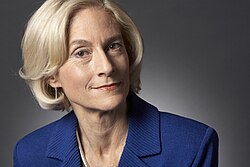
| Martha Nussbaum |
In class we discussed what philosophy is and why we should bother with it. Now consider the following materials.
First, listen carefully to the following brief audio clip where Martha Nussbaum (Ernst Freund Distinguished Service Professor of Law, Ethics, Human Rights, and Ancient Philosophy at the University of Chicago) is interviewed by Nigel Warburton on the value of philosophy to democracy. Here's the brief intro to the audio file:
"Why study Humanities subjects? Isn't studying Philosophy, for example, just a luxury of no obvious value to a democracy? Martha Nussbaum thinks not. In her recent book, Not For Profit
 , she has made a passionate defence of the Humanities. In this episode of the Philosophy Bites podcast she discusses these issues with Nigel Warburton."
(After clicking on the link, click on "Listen to Martha...." just above the pictures of the books.)
http://philosophybites.com/2010/12/martha-nussbaum-on-the-value-of-the-humanities.html
There is plenty here in this clip to provoke discussion. What, in your view, were some of the main claims regarding the nature and role of philosophy in a democracy? What is it that philosophy in particular contributes to democracy? What, if any, are the implications of her views for your own practices and pursuits? Might her views have any implications for UF?
Second, consider this case for studying philosophy that comes from an academic dean and professor at Harvard Medical School. What do you make of his defense?
Third, the study of philosophy can do plenty for you in a very immediate and practical sense. Click here and here to see how (notice what comes below philosophy in the latter report). What do you make of what you read here? Why not major/double major or minor in philosophy? After all, in April of 2013, the Association of American Colleges and Universities released the results of a national survey of business and nonprofit leaders. Here’s the title of that press release: “Employers More Interested in Critical Thinking and Problem Solving Than College Major”. The report finds that 93% of employers surveyed say that “a demonstrated capacity to think critically, communicate clearly, and solve complex problems is more important than [a candidate’s] major.”That's precisely what a philosophy major is known for: cultivating critical thinking, problem-solving abilities, and effective communication. Think about it.
Please engage with one another. Take advantage of this opportunity to think together in community. Don't be satisfied with superficial responses to difficult matters. Don't be content with superficial thinking here. Challenge yourself and others. Press hard. And, as always, be gracious and charitable.
