Comments due: 11:59pm Sunday, 4/17, 2016.
In class we will consider remarks Peter Singer offered in his recent TED talk
in addition to Martin Luther King, Jr.'s powerful sermon "On Being a
Good Neighbor". We will wonder together how these reflections might
bear upon our lives, our ultimate pursuits. We'll wonder together
what our lives (individual and corporate) might look like if we followed MLK, Jr. in making concern
for others the first law of our lives, in adopting altruism as urged by
both Singer and MLK, Jr.
Here I would like you to read very carefully MLK, Jr.'s sermon.
Allow it to speak to you, your circumstances, and the tragic global situation today.
Respond.
What stood out to you? What claims did MLK, Jr. make that you would you like
to think more about? Does this serve as a challenge to the status quo
consumerism that runs rampant here in the US? If so, how so? In what
ways?
In addition, family and community activist and organizer Mia Birdsong, in her recent TED talk
entitled "The Story We Tell about Poverty Isn't True", gestures toward
what she takes to be the best resource for addressing poverty: namely,
poor people. She tells stories and challenges the popular narrative that
hard work leads to success and, by implication, those that don't enjoy
material success aren't hardworking.
Again, what stood out to you? How did Birdsong challenge you? Is she on to something here?
Moreover, here's Gary Haugen offering a TED talk
entitled "The Hidden Reason for Poverty". Haugen is a human rights
attorney, he worked for the UN investigating war crimes in Rwanda, and
he is the founder of International Justice Mission. Haugen connects
poverty with the topic of our last unity: violence.
How
does Haugen challenge your views? How does Haugen challenge some views
dominant in the US and elsewhere? What are the implications, if any, of
what we should do as individuals and collectively? How does his talk
intersect with our previous unit on war and violence?
Finally, here is a lecture at the Chautauqua Institution given by Peter Edelman,
law professor at Georgetown Law and faculty director of the Georgetown
Center on Poverty and Inequality. The lecture is entitled "So Rich, So
Poor: Why It's So Hard to End Poverty in America." Edelman addresses the
so-called war on poverty here in the US and the various policy issues
surrounding poverty.
As with the others, did
Edelman offer anything that stood out to you? How did he challenge your
views about poverty in the US and the ways of looking at poverty that
prevail in the public square?
Take the time to
reflect carefully upon these lectures. Be willing to learn from each of
them. As always, when commenting and interacting, be gracious and
humble. Strive to listen to each other and learn from each other. In all
things, love and courage.
Monday, April 11, 2016

Tuesday, March 22, 2016
Is Nonviolent Civil Resistance Effective? More Effective than Violent Resistance?
Comments Due: 11:59pm on Wednesday, March 30, 2016.
We are beginning our discussions on war and violence. Our focus in particular is on the ethical dimensions of war and violence with special emphasis upon what implications a love ethic may have here.
One matter that comes up when discussions turn toward responses to violent, oppressive regimes is whether nonviolent civil resistance can be effective in bringing about the desired regime change and the development of a more peaceful society. Even those who are otherwise sympathetic to nonviolent resistance to evil worry that nonviolence just isn't practical--it just doesn't work in the real world. Sometimes, the worry continues, violence is the only practical option.

But is that so?
Dr. Erica Chenoweth was Assistant Professor of Government at Wesleyan University and she is now Professor and Associate Dean for Research at the Josef Korbel School of International Studies at the University of Denver where she focuses upon international relations, political violence, terrorism, homeland security, international security, and civil resistance. In this lecture delivered at Dartmouth four years ago, she argues that nonviolent civil resistance works, and actually fares better, typically, than violent resistance.
As she notes in her introductory remarks and elsewhere, Dr. Chenoweth began her research on the comparative effectiveness of nonviolent resistance as a thoroughgoing skeptic; she was simply dubious that sustained, rigorous, analytical empirical research would bear out the claim that nonviolent civil resistance was especially effective at bringing about desired political change and compared favorably to violent uprisings.
In addition, she insists that her research and accompanying argument is not rooted in some position on the ethics of war and violence. That is, she does not at any point wish to make claims about the ethics of war and violence. Rather, she contends that this is simply an empirical investigation into what's effective as a response to political oppression and violence. (Of course, this may very well have bearing on the ethics of war and violence; but that's decidedly not her agenda here.)
Please watch and listen carefully to the entire lecture, including the Q&A that follows the lecture. Listen as she lays out her methodology and makes her case. Consider the explanations she offers and be sure to take deta
iled notes along the way.
What do you make of her research/argument? Seem plausible? Any objections? What are the implications of her research, as you see it? What of her observation that many people just seem bent on holding on to violence for dear life as the solution even in the face of the empirical research that points to nonviolence?
As always, engage each other on this extremely and tragically relevant topic, and do so with grace, charity, and humility. We all have something to learn.
We are beginning our discussions on war and violence. Our focus in particular is on the ethical dimensions of war and violence with special emphasis upon what implications a love ethic may have here.
One matter that comes up when discussions turn toward responses to violent, oppressive regimes is whether nonviolent civil resistance can be effective in bringing about the desired regime change and the development of a more peaceful society. Even those who are otherwise sympathetic to nonviolent resistance to evil worry that nonviolence just isn't practical--it just doesn't work in the real world. Sometimes, the worry continues, violence is the only practical option.

But is that so?
Dr. Erica Chenoweth was Assistant Professor of Government at Wesleyan University and she is now Professor and Associate Dean for Research at the Josef Korbel School of International Studies at the University of Denver where she focuses upon international relations, political violence, terrorism, homeland security, international security, and civil resistance. In this lecture delivered at Dartmouth four years ago, she argues that nonviolent civil resistance works, and actually fares better, typically, than violent resistance.
As she notes in her introductory remarks and elsewhere, Dr. Chenoweth began her research on the comparative effectiveness of nonviolent resistance as a thoroughgoing skeptic; she was simply dubious that sustained, rigorous, analytical empirical research would bear out the claim that nonviolent civil resistance was especially effective at bringing about desired political change and compared favorably to violent uprisings.
In addition, she insists that her research and accompanying argument is not rooted in some position on the ethics of war and violence. That is, she does not at any point wish to make claims about the ethics of war and violence. Rather, she contends that this is simply an empirical investigation into what's effective as a response to political oppression and violence. (Of course, this may very well have bearing on the ethics of war and violence; but that's decidedly not her agenda here.)
Please watch and listen carefully to the entire lecture, including the Q&A that follows the lecture. Listen as she lays out her methodology and makes her case. Consider the explanations she offers and be sure to take deta
iled notes along the way.
What do you make of her research/argument? Seem plausible? Any objections? What are the implications of her research, as you see it? What of her observation that many people just seem bent on holding on to violence for dear life as the solution even in the face of the empirical research that points to nonviolence?
As always, engage each other on this extremely and tragically relevant topic, and do so with grace, charity, and humility. We all have something to learn.
Tuesday, March 8, 2016
God and Evil: Interviews with Eight Philosophers
Comments Due by 11:59pm on Wednesday, March 16, 2016.
 In
class we have been considering versions of the philosophical problem of
evil. In order to help us think more carefully about the range of
issues raised by this topic, I would like you to watch the series of
interviews found here.
In these eight videos, a brain scientist interviews both religious and
secular philosophers on the question of whether of evil refutes God's
existence.
In
class we have been considering versions of the philosophical problem of
evil. In order to help us think more carefully about the range of
issues raised by this topic, I would like you to watch the series of
interviews found here.
In these eight videos, a brain scientist interviews both religious and
secular philosophers on the question of whether of evil refutes God's
existence.
As you watch these videos, I'd encourage you to take careful notes. Listen closely. Jot down any questions that occur to you. Capture what seems to you to be the central claims made by these philosophers as they respond to the questions and arguments. In your comment(s), try to articulate as clearly and as precisely as you can your summary critical evaluation for each of the eight brief interviews.
Interact with each other. Push each other. Take seriously this opportunity to have significant conversations with your peers. Strive to learn from each other, and, as always, be gracious and charitable in your comments.
 In
class we have been considering versions of the philosophical problem of
evil. In order to help us think more carefully about the range of
issues raised by this topic, I would like you to watch the series of
interviews found here.
In these eight videos, a brain scientist interviews both religious and
secular philosophers on the question of whether of evil refutes God's
existence.
In
class we have been considering versions of the philosophical problem of
evil. In order to help us think more carefully about the range of
issues raised by this topic, I would like you to watch the series of
interviews found here.
In these eight videos, a brain scientist interviews both religious and
secular philosophers on the question of whether of evil refutes God's
existence.As you watch these videos, I'd encourage you to take careful notes. Listen closely. Jot down any questions that occur to you. Capture what seems to you to be the central claims made by these philosophers as they respond to the questions and arguments. In your comment(s), try to articulate as clearly and as precisely as you can your summary critical evaluation for each of the eight brief interviews.
Interact with each other. Push each other. Take seriously this opportunity to have significant conversations with your peers. Strive to learn from each other, and, as always, be gracious and charitable in your comments.
Wednesday, February 10, 2016
McBrayer and Boghossian on Moral Relativism
Comments Due: 11:59pm Wednesday, February 17, 2016.
In class we have been discussing cultural relativism, the view that the moral status of an act is determined entirely by the moral code of the society/culture in which it is done.

In this brief essay in the NY Times, philosopher Justin McBrayer (Fort Lewis College) argues against the oft-repeated, seemingly firmly entrenched distinction between fact and opinion and the corresponding claim that all value claims (and so all moral judgments) are opinions, and so not facts. He notes that this is a view that is widely taught in our K-12 curriculum.
 In this brief essay
in the NY Times, philosopher Paul Boghossian (NYU) offers an argument
against moral relativism in general, and so against cultural relativism
in particular. He contends that those who try to be moral relativists
either (a) end up having to accept at least some moral absolutes, or (b)
they end up being moral nihilists, denying morality altogether. The
latter option is clearly unacceptable, so we ought to grant that there
are at least some moral absolutes.
In this brief essay
in the NY Times, philosopher Paul Boghossian (NYU) offers an argument
against moral relativism in general, and so against cultural relativism
in particular. He contends that those who try to be moral relativists
either (a) end up having to accept at least some moral absolutes, or (b)
they end up being moral nihilists, denying morality altogether. The
latter option is clearly unacceptable, so we ought to grant that there
are at least some moral absolutes.
In addition, in this podcast, Boghossian is interviewed on the topic of moral relativism. He talks through the same sort of issues in this interview as he does in his NY Times op-ed.
Listen carefully to this brief interview and read the brief essays carefully. Take some notes while you listen and read. Jot down any questions that occur to you. Do you think McBrayer and Boghossian make a good case against moral relativism? If not, why not? Where does they go wrong? And what difference does this all make? Does it matter whether one is a moral relativist or not? What do you think?
Be sure to interact with each other. Consider what everyone has to say and strive to learn from each other. Challenge each other. Push each other to think more clearly. Through it all, of course, be gracious and charitable.
In class we have been discussing cultural relativism, the view that the moral status of an act is determined entirely by the moral code of the society/culture in which it is done.
In this brief essay in the NY Times, philosopher Justin McBrayer (Fort Lewis College) argues against the oft-repeated, seemingly firmly entrenched distinction between fact and opinion and the corresponding claim that all value claims (and so all moral judgments) are opinions, and so not facts. He notes that this is a view that is widely taught in our K-12 curriculum.
In this brief essay
in the NY Times, philosopher Paul Boghossian (NYU) offers an argument
against moral relativism in general, and so against cultural relativism
in particular. He contends that those who try to be moral relativists
either (a) end up having to accept at least some moral absolutes, or (b)
they end up being moral nihilists, denying morality altogether. The
latter option is clearly unacceptable, so we ought to grant that there
are at least some moral absolutes.In addition, in this podcast, Boghossian is interviewed on the topic of moral relativism. He talks through the same sort of issues in this interview as he does in his NY Times op-ed.
Listen carefully to this brief interview and read the brief essays carefully. Take some notes while you listen and read. Jot down any questions that occur to you. Do you think McBrayer and Boghossian make a good case against moral relativism? If not, why not? Where does they go wrong? And what difference does this all make? Does it matter whether one is a moral relativist or not? What do you think?
Be sure to interact with each other. Consider what everyone has to say and strive to learn from each other. Challenge each other. Push each other to think more clearly. Through it all, of course, be gracious and charitable.
Monday, January 25, 2016
On the Value of Philosophy
Comments Due: 11:59PM Monday, 2/1/16
In class we discussed what philosophy is and why we should bother with it. Now consider the following materials.
First, listen carefully to the following brief audio clip where Martha Nussbaum (Ernst Freund Distinguished Service Professor of Law, Ethics, Human Rights, and Ancient Philosophy at the University of Chicago) is interviewed by Nigel Warburton on the value of philosophy to democracy. Here's the brief intro to the audio file:
"Why study Humanities subjects? Isn't studying Philosophy, for example, just a luxury of no obvious value to a democracy? Martha Nussbaum thinks not. In her recent book, Not For Profit , she has made a passionate defence of the Humanities. In this episode of the Philosophy Bites podcast she discusses these issues with Nigel Warburton."
(After clicking on the link, click on "Listen to Martha...." just above the pictures of the books.)
http://philosophybites.com/2010/12/martha-nussbaum-on-the-value-of-the-humanities.html
There is plenty here in this clip to provoke discussion. What, in your view, were some of the main claims regarding the nature and role of philosophy in a democracy? What is it that philosophy in particular contributes to democracy? What, if any, are the implications of her views for your own practices and pursuits? Might her views have any implications for UF?
Second, consider this case for studying philosophy that comes from an academic dean and professor at Harvard Medical School. What do you make of his defense?
Third, the study of philosophy can do plenty for you in a very immediate and practical sense. Click here and here to see how (notice what comes below philosophy in the latter report). What do you make of what you read here? Why not major/double major or minor in philosophy? After all, in April of 2013, the Association of American Colleges and Universities released the results of a national survey of business and nonprofit leaders. Here’s the title of that press release: “Employers More Interested in Critical Thinking and Problem Solving Than College Major”. The report finds that 93% of employers surveyed say that “a demonstrated capacity to think critically, communicate clearly, and solve complex problems is more important than [a candidate’s] major.”That's precisely what a philosophy major is known for: cultivating critical thinking, problem-solving abilities, and effective communication. Think about it.
Please engage with one another. Take advantage of this opportunity to think together in community. Don't be satisfied with superficial responses to difficult matters. Don't be content with superficial thinking here. Challenge yourself and others. Press hard. And, as always, be gracious and charitable.
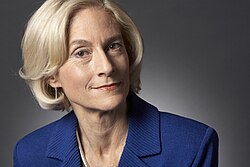 |
| Martha Nussbaum |
In class we discussed what philosophy is and why we should bother with it. Now consider the following materials.
First, listen carefully to the following brief audio clip where Martha Nussbaum (Ernst Freund Distinguished Service Professor of Law, Ethics, Human Rights, and Ancient Philosophy at the University of Chicago) is interviewed by Nigel Warburton on the value of philosophy to democracy. Here's the brief intro to the audio file:
"Why study Humanities subjects? Isn't studying Philosophy, for example, just a luxury of no obvious value to a democracy? Martha Nussbaum thinks not. In her recent book, Not For Profit
, she has made a passionate defence of the Humanities. In this episode of the Philosophy Bites podcast she discusses these issues with Nigel Warburton."(After clicking on the link, click on "Listen to Martha...." just above the pictures of the books.)
http://philosophybites.com/2010/12/martha-nussbaum-on-the-value-of-the-humanities.html
There is plenty here in this clip to provoke discussion. What, in your view, were some of the main claims regarding the nature and role of philosophy in a democracy? What is it that philosophy in particular contributes to democracy? What, if any, are the implications of her views for your own practices and pursuits? Might her views have any implications for UF?
Second, consider this case for studying philosophy that comes from an academic dean and professor at Harvard Medical School. What do you make of his defense?
Third, the study of philosophy can do plenty for you in a very immediate and practical sense. Click here and here to see how (notice what comes below philosophy in the latter report). What do you make of what you read here? Why not major/double major or minor in philosophy? After all, in April of 2013, the Association of American Colleges and Universities released the results of a national survey of business and nonprofit leaders. Here’s the title of that press release: “Employers More Interested in Critical Thinking and Problem Solving Than College Major”. The report finds that 93% of employers surveyed say that “a demonstrated capacity to think critically, communicate clearly, and solve complex problems is more important than [a candidate’s] major.”That's precisely what a philosophy major is known for: cultivating critical thinking, problem-solving abilities, and effective communication. Think about it.
Please engage with one another. Take advantage of this opportunity to think together in community. Don't be satisfied with superficial responses to difficult matters. Don't be content with superficial thinking here. Challenge yourself and others. Press hard. And, as always, be gracious and charitable.
Subscribe to:
Comments (Atom)